Reported Speech
Ders videosu
Konu anlatımı
Reported Speech - 12. Sınıf İngilizce Dersi
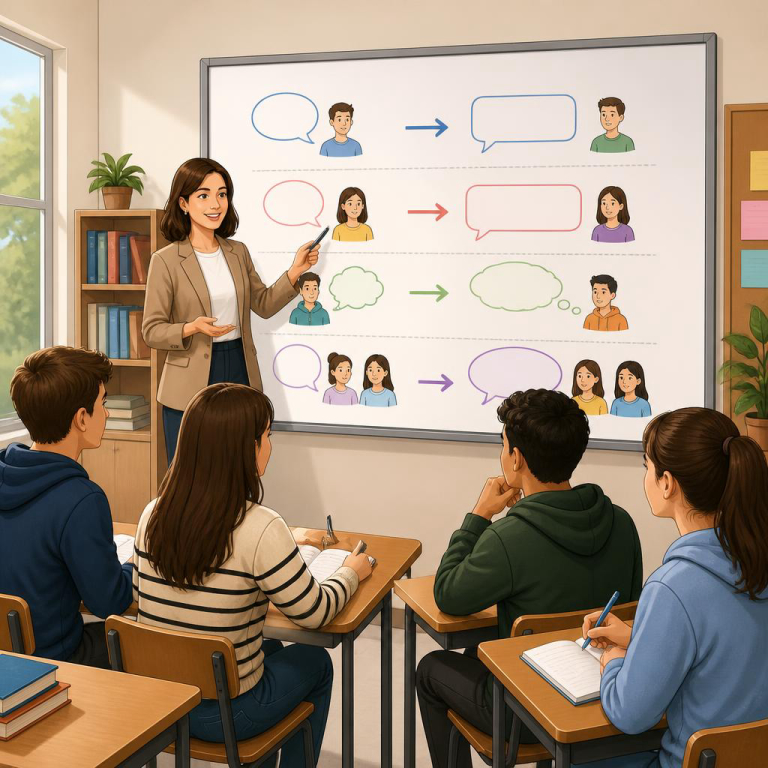
Bu derste ne öğreneceğiz?
Bu derste, "Reported Speech" yani dolaylı anlatım konusunu öğreneceğiz. Dolaylı anlatım, bir kişinin söylediği sözlerin başka bir kişi tarafından aktarılmasıdır. Bu konuyu öğrenerek, başkalarının söylediklerini doğru bir şekilde ifade edebileceksiniz.
Üyeler sınırsız test çözer, dersi dinler, Bir'e Bir ders alır ve ilerlemesini görür. Üye olmadan 20 dakika deneyebilirsin.
Temel kavramlar
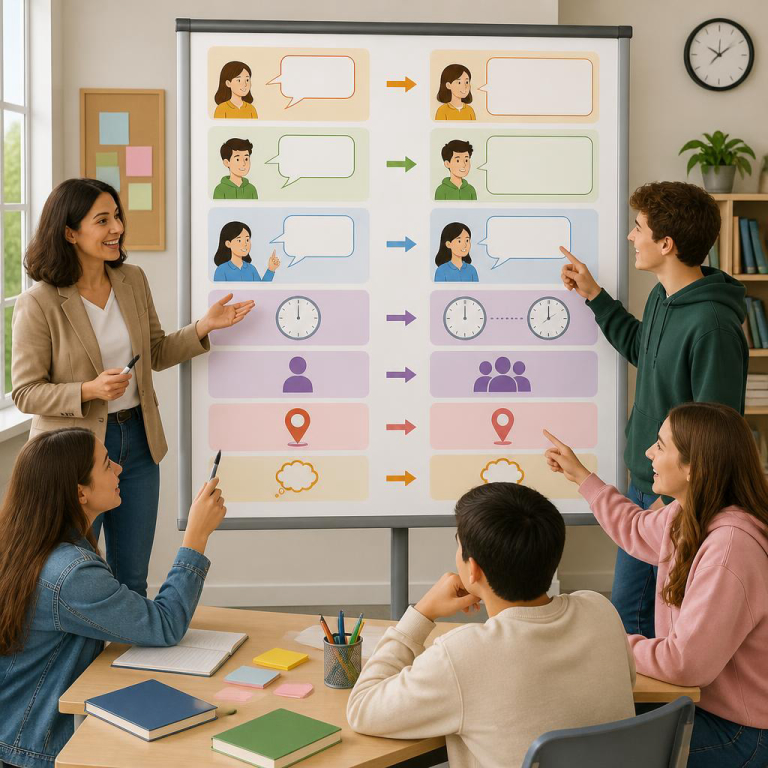
Dolaylı anlatım, bir konuşmanın veya ifadenin, doğrudan alıntı yapmadan aktarılmasıdır. Örneğin, "Ali dedi ki, 'Ben sinemaya gidiyorum.'" cümlesi doğrudan anlatım iken, "Ali sinemaya gittiğini söyledi." cümlesi dolaylı anlatımdır.
Dolaylı anlatımda bazı önemli kurallar vardır:
- Zaman değişiklikleri: Doğrudan anlatımdaki zaman ifadeleri dolaylı anlatıma geçerken değişir.
- Kişi değişiklikleri: Doğrudan anlatımda kullanılan kişi zamirleri dolaylı anlatıma geçerken değişir.
- Bağlaçlar: Genellikle "that" bağlacı kullanılır.
Ayrıntılı anlatım
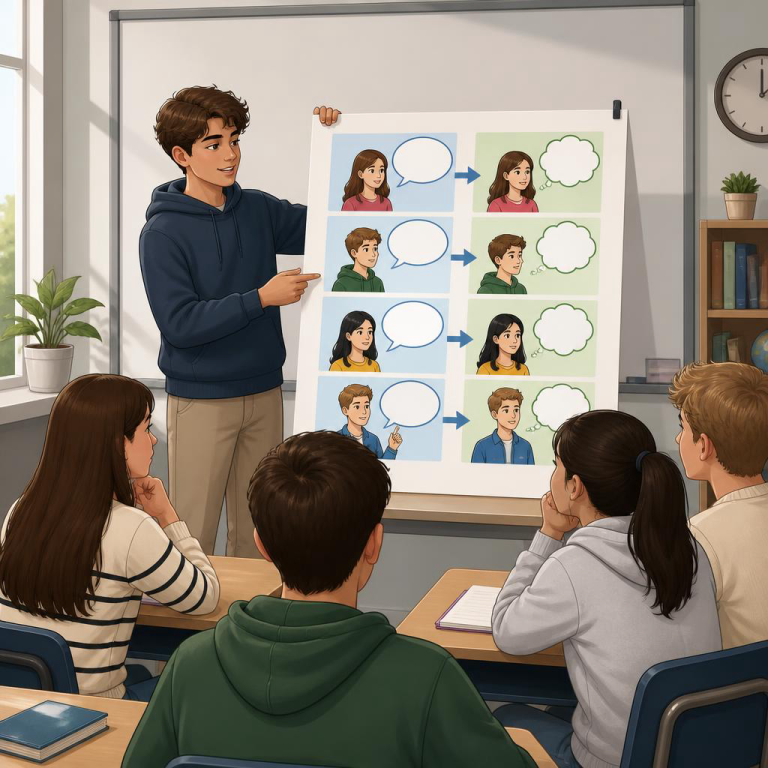
Dolaylı anlatımda zaman değişiklikleri oldukça önemlidir. İşte bazı örnekler:
| Doğrudan Anlatım | Dolaylı Anlatım |
|---|---|
| Present Simple: "I go to school." | Past Simple: He said that he went to school. |
| Present Continuous: "I am going to school." | Past Continuous: He said that he was going to school. |
| Present Perfect: "I have gone to school." | Past Perfect: He said that he had gone to school. |
Kişi zamirleri de dolaylı anlatımda değişir. Örneğin:
- "I" → "he/she"
- "You" → "I"
- "We" → "they"
Çözümlü örnekler
Örnek 1: "She said, 'I am happy.'"
Dolaylı anlatım: "She said that she was happy."
Örnek 2: "John said, 'I will call you tomorrow.'"
Dolaylı anlatım: "John said that he would call me the next day."
Örnek 3: "They said, 'We have finished our homework.'"
Dolaylı anlatım: "They said that they had finished their homework."
Sık yapılan hatalar
Dolaylı anlatımda sık yapılan hatalardan bazıları şunlardır:
- Zaman değişikliklerini unutarak doğrudan anlatımı kullanmak.
- Kişi zamirlerini yanlış değiştirmek.
- Bağlaçları atlamak veya yanlış kullanmak.
Uygulama
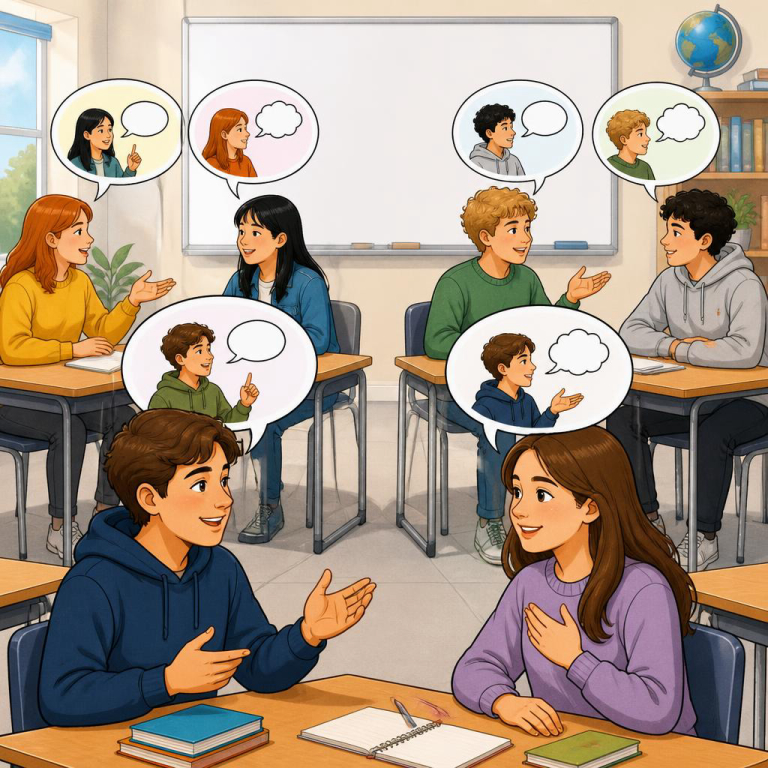
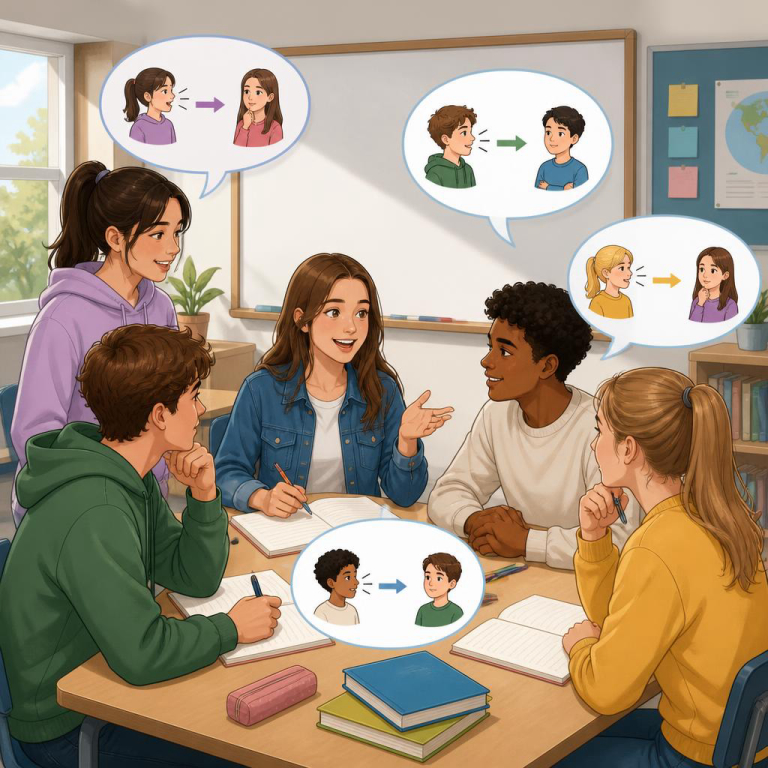
Aşağıdaki cümleleri dolaylı anlatıma çevirin:
- "He said, 'I am tired.'
- "She said, 'I will go to the party.'
- "They said, 'We are playing football.'
- "John said, 'I have seen that movie.'
- "Mary said, 'I can help you.'
Mini test
Aşağıdaki cümleleri dolaylı anlatıma çevirin:
- "Tom said, 'I love ice cream.'
- "Lisa said, 'I am studying for the exam.'
- "They said, 'We will visit you next week.'
- "He said, 'I have lost my keys.'
- "She said, 'I can speak three languages.'
Cevap anahtarı
- Tom said that he loved ice cream.
- Lisa said that she was studying for the exam.
- They said that they would visit us the following week.
- He said that he had lost his keys.
- She said that she could speak three languages.
Özet
Dolaylı anlatım, başkalarının söylediklerini aktarmanın önemli bir yoludur. Zaman ve kişi zamirlerinin değişimi, dolaylı anlatımın temel kurallarındandır. Bu derste öğrendiklerinizle, başkalarının sözlerini daha etkili bir şekilde ifade edebileceksiniz.
Örnek sorular
- He said that he was going to the market.
- He said that he is going to the market.
- He said that he went to the market.
- He said that he goes to the market.
Cevabı göster
- She said that she would finish her homework the next day.
- She said that she will finish her homework tomorrow.
- She said that she finished her homework tomorrow.
- She said that she finishes her homework tomorrow.
Cevabı göster
- They said that they were watching a movie.
- They said that they are watching a movie.
- They said that they watched a movie.
- They said that they watch a movie.
Cevabı göster
- John said that he could help me with my project.
- John said that he can help me with my project.
- John said that he helped me with my project.
- John said that he helps me with my project.
Cevabı göster
- Maria said that she had finished her work.
- Maria said that she has finished her work.
- Maria said that she finished her work.
- Maria said that she finishes her work.